
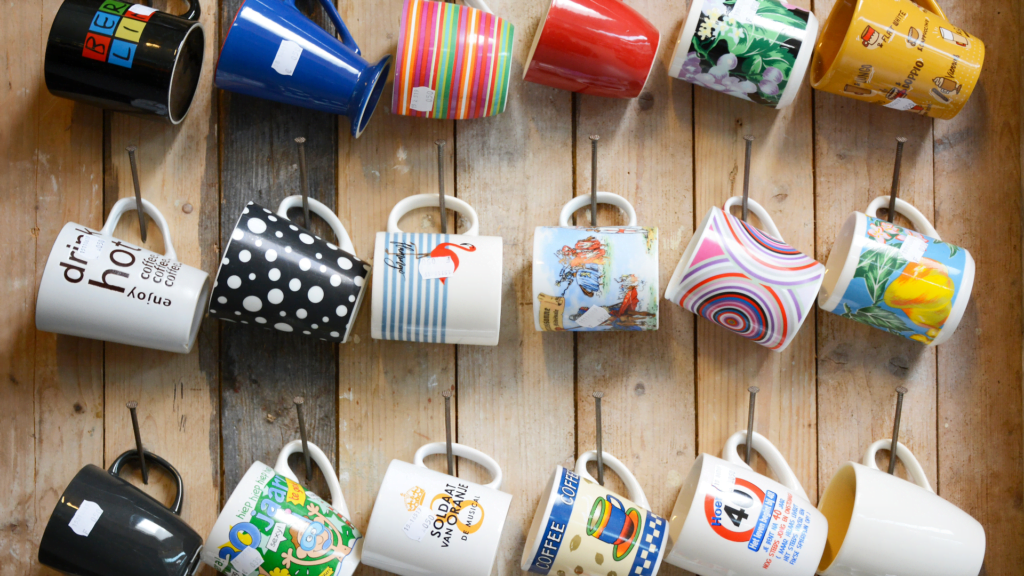
Hey there, eco-conscious friends! Are you tired of paying top dollar for brand-new items that lose their shine faster than a summer tan? Well, it’s time to embrace the world of second-hand shopping. Trust me, it’s not just for your grandma anymore. In fact, purchasing pre-loved goods has become something of a trendy movement lately – and for good reason! From vintage fashion finds to gently used electronics, the second-hand market offers endless possibilities at unbeatable prices. So grab your thrift store treasure map and get ready to dive into the wonderful world of second-hand shopping!
The Benefits of Buying Second-Hand Items

One of the biggest benefits of buying second-hand items is the potential cost savings. Second-hand items typically come at a much lower price than brand-new ones, allowing you to stretch your budget further and possibly even afford higher quality products that you might not be able to afford if they were brand new. Moreover, by purchasing second-hand items, you are also helping to reduce waste in the environment as these items are given a new lease on life instead of being discarded.
Another advantage is the uniqueness and variety that comes with buying second-hand items. You never know what hidden treasures or rare finds you might stumble upon in thrift stores or online marketplaces dedicated to pre-loved goods. From vintage clothing gems to one-of-a-kind furniture pieces, buying second-hand allows you to have more eclectic and personal style while avoiding mass-produced and cookie-cutter options. Embracing second-hand purchases adds character and individuality to your surroundings.
Moreover, when you buy second-hand items, particularly from local sellers or charity shops, you’re supporting small businesses and nonprofits rather than big corporations. Your money goes directly back into your community instead of lining the pockets of wealthy shareholders. It’s a way to contribute positively towards the local economy while getting what you need at the same time.
Overall, choosing to purchase second-hand items can bring numerous benefits beyond just financial savings; it offers unique experiences, sustainability practices, and an opportunity for impactful support within your community.
Affordability: Save money on quality products
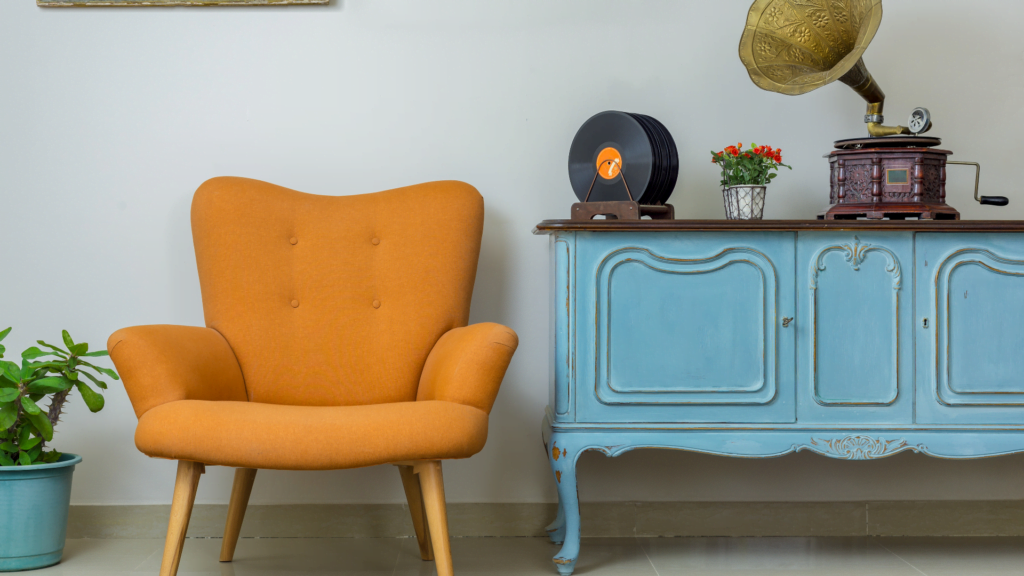
One of the biggest advantages of purchasing second-hand items is the affordability factor. Quality products often come with a hefty price tag when bought brand new, but by opting for second-hand items, you can save a significant amount of money without compromising on quality. This can be particularly beneficial when it comes to big-ticket items such as furniture, electronics, or even cars.
Moreover, buying second-hand allows you to get more value for your money. With the same budget, you can often find higher-end or designer brands that might have been out of reach if purchased new. Additionally, there is a wide range of online platforms and local thrift stores where you can discover unique and one-of-a-kind items at discounted prices. By being open to buying second-hand, you not only save money but also open up possibilities to explore different styles and aesthetics that may not be readily available in traditional retail spaces.
Environmental Impact: Reduce waste and carbon footprint
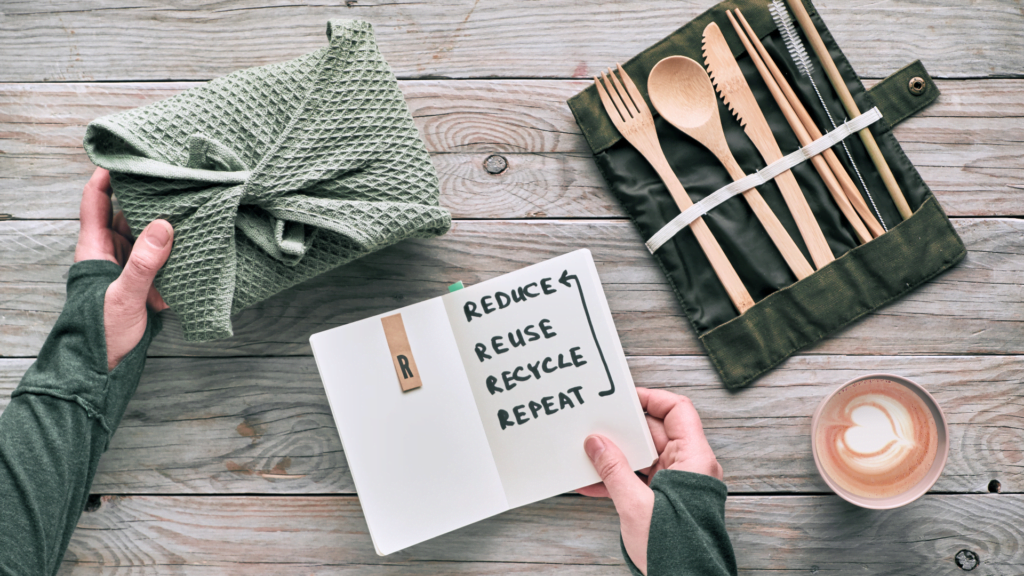
One often overlooked aspect of buying second-hand items is the positive environmental impact it can have. By purchasing used goods, we reduce waste and our carbon footprint. This is because buying something second-hand means giving it a new lease on life rather than contributing to the demand for new products.
When we buy second-hand, we extend the lifespan of an item and prevent it from ending up in a landfill. This helps to conserve natural resources such as raw materials and energy that would otherwise be required to produce new items. Additionally, the production of new products often involves harmful emissions and pollution, making second-hand shopping a much more sustainable option.
Not only does buying second-hand help reduce waste and carbon emissions on an individual level but also at a larger scale. When more people choose to purchase used items, there is less demand for new products, leading to fewer manufacturing processes and less strain on the environment. By embracing the concept of reuse instead of constantly relying on new materials, we can make a significant impact collectively in reducing our overall ecological footprint.
In conclusion, opting for second-hand items can significantly contribute to waste reduction and lower our carbon footprint. Each time we choose to buy used, we are taking a small step towards creating a more sustainable future by minimizing our environmental impact. So next time you need something, consider purchasing it second-hand – not only will you save money but you’ll also be doing your part in building a greener world.
Unique Finds: Discover one-of-a-kind treasures

One of the most exciting aspects of purchasing second-hand items is the opportunity to stumble upon unique treasures that you won’t find anywhere else. While mainstream stores often offer mass-produced items, shopping second-hand opens up a world of one-of-a-kind finds that tell their own stories. Whether it’s a vintage piece of clothing with intricate detailing or an antique piece of furniture that has been handcrafted with care, these unique discoveries add character and charm to any space.
Not only do these one-of-a-kind treasures make for great conversation starters, but they also allow you to express your individuality through your belongings. Instead of conforming to current trends, purchasing second-hand allows you to curate a collection that truly reflects your personal style and values. As society becomes more aware of the environmental impact of consumerism, owning and cherishing unique pieces becomes even more significant as a way to reduce waste and promote sustainability. By choosing second-hand items, you are not only embracing creativity and authenticity but also making a conscious choice towards more sustainable consumption practices.
Supporting Local Communities: Contribute to local economies

By purchasing second-hand items, not only are you reducing your carbon footprint and saving money, but you’re also contributing to the local economy. When you buy from local thrift stores or second-hand shops, your money stays in the community and helps support small businesses. These establishments often employ local residents and source their products locally, further bolstering the economic growth of the area. So next time you need a new piece of clothing or furniture, consider checking out your local second-hand store before heading to a big retail chain.
Moreover, supporting local economies through second-hand purchases can have a ripple effect on the overall well-being of a community. As more people choose to shop locally for their second-hand needs, there is an increase in demand for goods in these establishments. This increased demand leads to more opportunities for employment as owners may need to hire additional staff or expand their operations. By contributing to this cycle of supply and demand within the local community, we are directly investing in its growth and prosperity.
It’s important to remember that thriving local communities rely on sustainable economic practices rather than solely relying on big corporations and multinational chains. Through our conscious decision to purchase second-hand items whenever possible, we can all play a part in supporting our communities’ long-term success by giving back directly where it matters most: at home.
Quality and Durability: Find well-made items that last

When purchasing second-hand items, one of the key advantages is the opportunity to find well-made items that are built to last. In today’s consumer society, where fast fashion and disposable products dominate the market, finding quality and durable items can be a breath of fresh air. Second-hand stores, online marketplaces, and thrift shops are treasure troves for those seeking sturdy pieces that have stood the test of time.
The durability of second-hand items goes hand in hand with their quality. Many older products were made with superior craftsmanship and attention to detail compared to their modern counterparts. This is particularly true for household appliances, furniture, and electronics. By opting for second-hand purchases, you can obtain trustworthy brands and models that have established themselves as reliable over years or even decades.
Investing in well-made items not only extends their lifespan but also reduces waste by preventing them from ending up in landfills prematurely. It’s a win-win situation: you get a product that will serve you reliably while making a sustainable choice for the planet. So next time you’re looking for something new-to-you, remember to prioritize quality and durability – it’s an investment not just in your own satisfaction but also in creating a more sustainable future.
Conclusion: Embrace the value and sustainability of second-hand shopping.

Embracing the value and sustainability of second-hand shopping is not just about saving money; it’s about making a positive impact on the environment. By choosing to buy pre-loved items, we are reducing the demand for new products, thus minimizing the resources and energy required for production. This conscious decision significantly reduces our carbon footprint and helps in preserving valuable natural resources.
Second-hand shopping also allows us to express our individuality and personal style in a unique way. It offers a treasure trove of one-of-a-kind pieces that cannot be found in mainstream stores. Embracing vintage or thrifted fashion means standing out from the crowd and owning garments that have their own stories to tell. Whether it’s a vintage jacket with intricate detailing or a retro dress from decades past, second-hand fashion brings an element of nostalgia into our wardrobes while supporting sustainable practices.
So, let’s celebrate the value and sustainability of second-hand shopping by actively seeking out these treasures at thrift stores, consignment shops, or online platforms. Not only can we save money and reduce waste but by choosing pre-loved items, we join a movement towards more conscious consumerism. By being mindful of where we spend our hard-earned money, we can make a real difference in creating a more sustainable future for ourselves and generations to come.
I want to know, do you shop second-hand? Comment below!


